Doenjang Substitute: The One That Works and the One That Doesn't
You're halfway through a doenjang-jjigae recipe, the zucchini's already chopped, and the jar you thought was in the pantry isn't there. The internet's answer is almost always "just use miso" — but that answer is only half right, and the other half is the part that changes how your stew tastes.
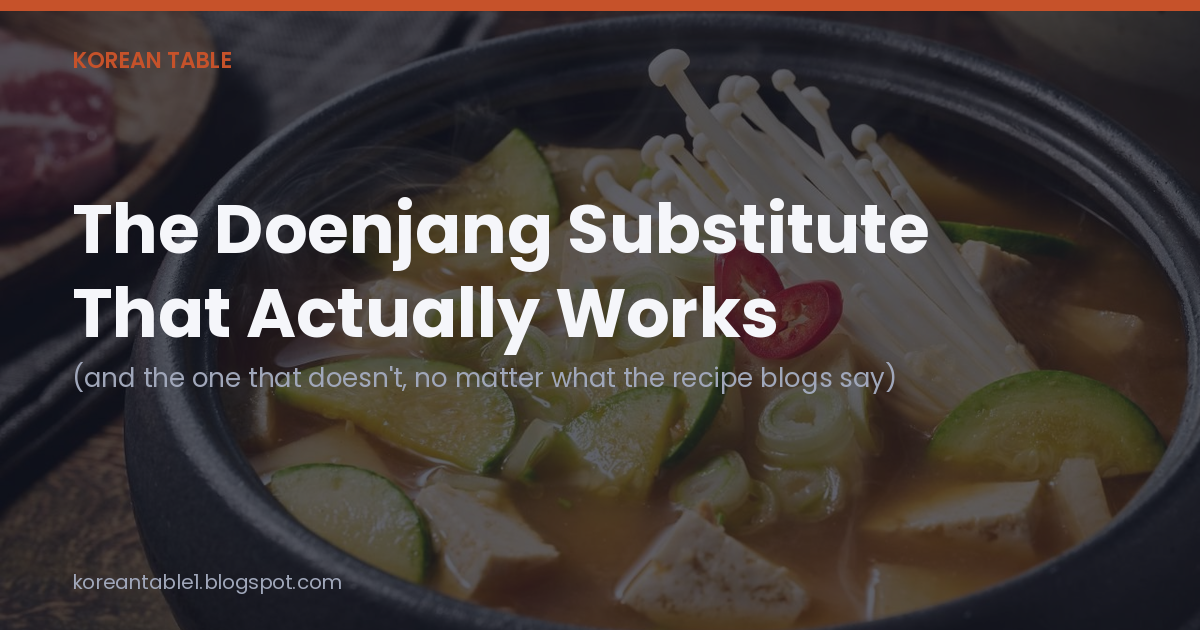
What doenjang is, and why miso isn't it
Both start as soybeans. That's about where the overlap ends. Japanese miso gets a koji starter, usually rice or barley, fermented in with the soybeans — Hikari Miso, the Japanese producer, lays out that same process on its own site: the mixture gets "fermented... with rice or barley koji and salt." That koji culture is what gives miso its rounder, sweeter edge. Doenjang skips that step. Nobody adds a starter culture to the soybean bricks (meju) as they dry and age in a mesh bag for months, sometimes over a year. Whatever wild bacteria and mold happen to colonize them do the fermenting instead. Less controlled, muddier, saltier.

SPICEography puts the taste difference about as well as anyone: doenjang is "salty and savory with the fermented umami taste similar to what you might get from a Parmesan cheese," while miso is milder and sweeter. That's the gap you're trying to close, and no amount of miso alone closes it.
The substitute that works
Red miso — not the pale, sweet white stuff, the dark, aged kind — is the closest thing on a regular grocery shelf. Oriental Mart notes that red miso runs a lower koji ratio and lands closer to doenjang than any other miso variety does, "although still not usually as strong." Start with the same amount the recipe calls for in doenjang, taste the stew, and back off a spoonful if it's coming across too sweet or too mellow. That's the direction Oriental Mart's own comparison points, since doenjang is the stronger of the two.
Here's the part most substitution lists skip: red miso on its own still doesn't have doenjang's brine-forward funk. Stir in a small splash of fish sauce, or a spoon of soy sauce, alongside the miso, and taste as you go. It won't be doenjang. It'll be close enough that nobody at the table asks what's different, and that's the actual bar you're clearing on a Tuesday night.
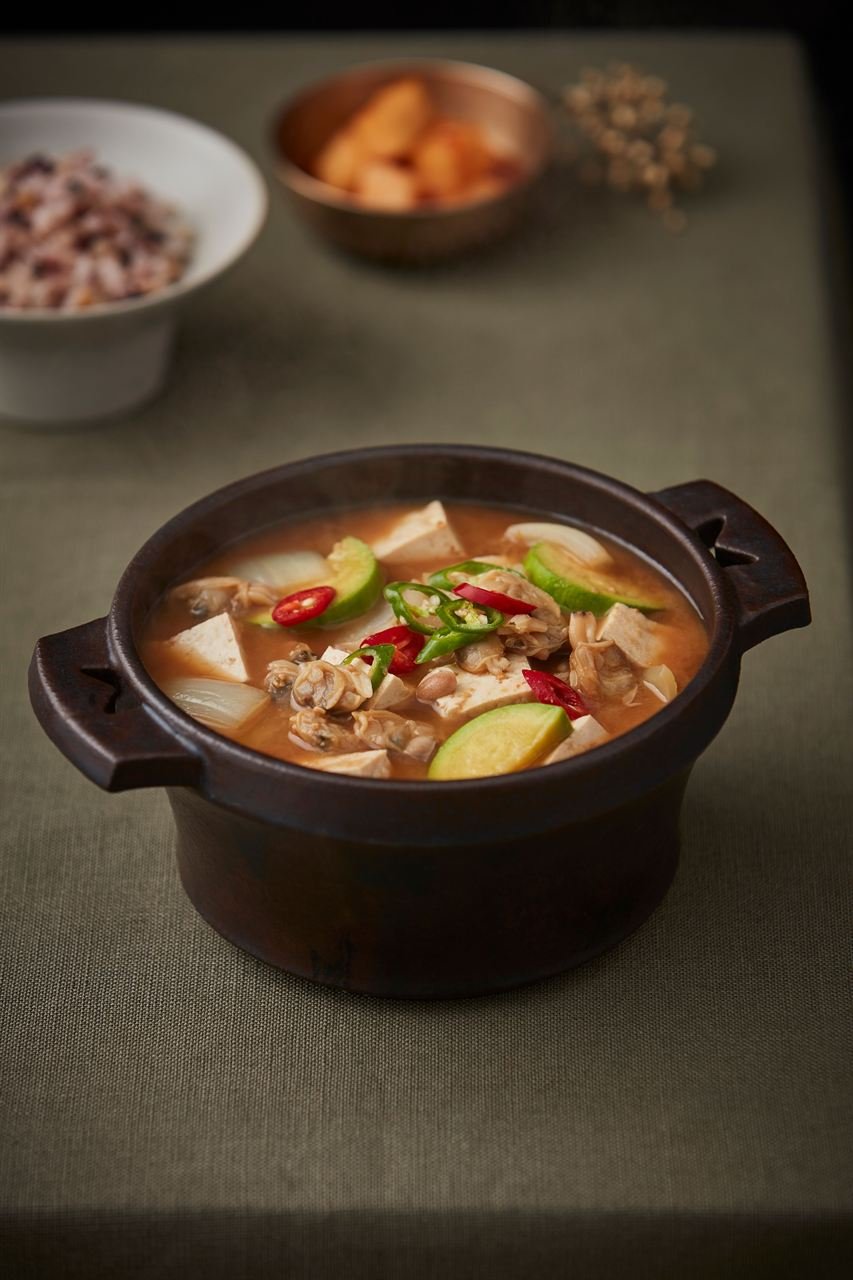
A red miso worth keeping on hand for this: Hikari's own Organic Miso Paste, Red, 17.6 oz shows up on Amazon and in most international grocery aisles, not just Asian-market shelves.
The one that doesn't: doubanjiang
Doubanjiang gets recommended almost as often as miso, and it's the wrong call for anything close to traditional doenjang-jjigae. It's fermented broad beans and chili, not soybeans, and the chili isn't optional — it's the whole point of the paste. Happy Muncher is blunt about the mismatch: doubanjiang is "spicy, salty, and slightly sweet," while doenjang is "more savory and salty," and swapping doenjang in for doubanjiang "will significantly alter the taste of the dish." The reverse direction is a little more forgiving — you can drop doubanjiang into a doenjang-shaped recipe if you don't mind the heat, but start with noticeably less than the recipe calls for and build back up by the half-spoon, since doubanjiang runs both hotter and saltier. But if what you want is the flavor of doenjang-jjigae, doubanjiang gets you a spicy soybean stew that tastes like a different dish, not a substitute for this one.
Gochujang's an even worse match for the same reason people reach for it: it's sweet, sticky, and built around chili and glutinous rice, with none of doenjang's salty depth. Save it for what it's good at.
Where to buy the real thing
If there's an H Mart or a Korean grocer within driving distance, skip the substitute conversation entirely. A 500g tub of O'Food's Mild Doenjang runs $3.99 at H Mart, which is cheaper per serving than most miso you'd buy to replace it. No Korean grocer nearby? H Mart's site ships, and Amazon carries several Korean brands for readers outside the US entirely, though delivery times vary a lot by country, so check the listing before you commit to a recipe date around it.
My actual advice, for what it's worth: keep both jars. Doctored red miso gets you through a weeknight stew when you're out. But doenjang holds a completely different, funkier note that miso never quite reaches, and once you've tasted the difference side by side, you'll notice it every time you use the stand-in.
If you've already made the miso swap tonight and it's simmering right now, the fish sauce fix works mid-cook too. Add it a spoonful at a time near the end, taste, stop when it tastes like the stew you were trying to make. Next grocery trip, buy the real jar — this is a one-time fix, not a reason to stop stocking doenjang.
This is a running news series, not a one-off post — new stories go up twice a day, roughly 7am and 7pm Korea time.
More Korea coverage from our network: Hallyu Now · Korea Travel Planner · K-Sports Global · Seoul Skin Notes


Comments
Post a Comment