Gochujang vs Gochugaru: They Don't Do the Same Job
Short version: gochujang and gochugaru are not the same red jar with two names, and a recipe that says "gochujang (or gochugaru, whatever you've got)" is giving you bad advice. One is a fermented paste. The other is a dried spice. Swap them and the dish changes texture, salt, and sweetness before it changes heat.
Why this post exists: gochujang vs gochugaru is one of the most-searched mix-ups in Korean cooking, and it's an honest one to make. Both are ground from the same red chili family, both sit in the same aisle at H Mart, and both show up in half the recipes on this blog. They're related. They're not interchangeable.
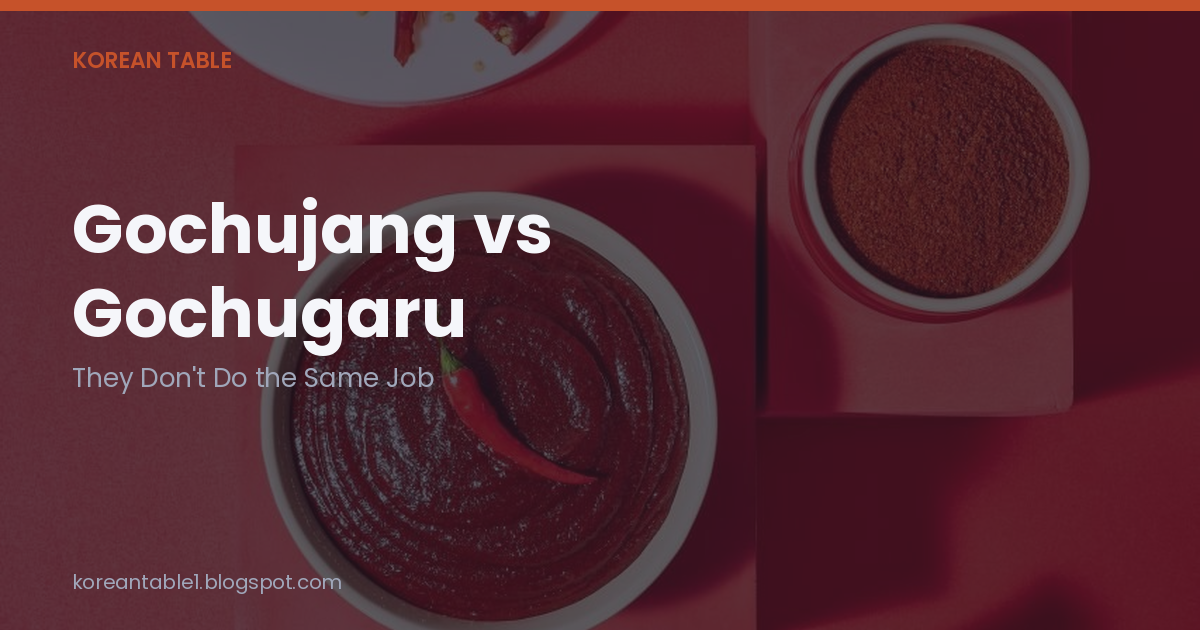
What's In Each Jar
Gochugaru is just dried chili, full stop. Pepperscale's breakdown describes it as chili peppers that are deseeded and ground to a texture "halfway between coarse crushed red pepper flakes and fine cayenne powder." Nothing is added and nothing is cooked. It's a spice, in the same category as paprika or cayenne, made from cultivars bred for a fruitier, less sharp heat than either of those.
Gochujang starts with gochugaru and then stops being a spice entirely. Wikipedia's sourced formulation puts a typical batch at 25% gochugaru, 22.2% glutinous rice, 5.5% fermented soybean (meju) powder, 12.8% salt, 5% barley malt, and 29% water, cooked into a porridge, salted, and left to ferment. Kimchimari's own kitchen tests clocked homemade gochujang as fully fermented at one to two months using a modern shortcut method, against roughly six months for the traditional malt-and-rice version. Commercial tubs land somewhere in between, tuned for consistency rather than one cook's patience.
Gochugaru is one ingredient.
Gochujang is that ingredient plus five others and a couple of months of your life.
The Part That Surprises People
This is the twist that catches people on purpose, not by accident. Taste Korean Food's Scoville breakdown puts straight gochugaru at 1,500 to 10,000 Scoville Heat Units, depending on whether the bag is the mild deolmaewoon or the hot maewoon grade, and gochujang, the paste built partly out of that same gochugaru, at under 1,000 SHU. Fermentation doesn't only add sweetness and funk. It measurably tames the raw chili's heat, so the thick red paste that looks like the spicier of the two is, gram for gram, the milder one.
That matters for troubleshooting. If a dish made with gochujang comes out too hot, the fix usually isn't less gochujang. Most commercial pastes carry real sugar and salt alongside the chili, so cutting those first does more than trimming the tablespoon count.
It also means the "mild / medium / hot" scale printed on a lot of gochujang tubs isn't Scoville at all — it's an in-house heat grading each brand sets for its own paste lineup. Don't try to line that number up against a gochugaru bag's SHU rating on the shelf next to it. They're not measuring on the same scale, even when both labels use the word "hot."
What Each One Is For
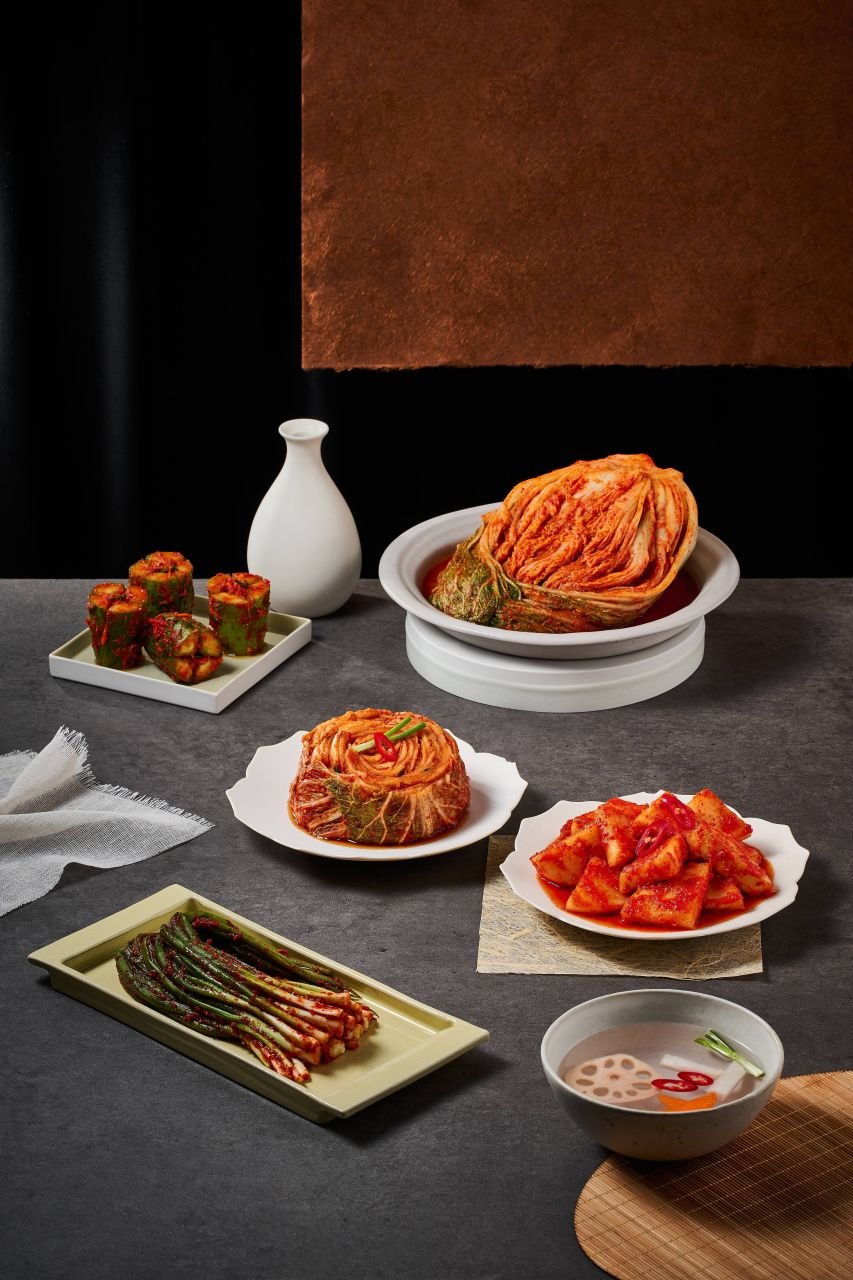
Kimchi runs on gochugaru, not gochujang. The red coating on napa cabbage, radish, or scallion kimchi is gochugaru worked straight into the brine with garlic, ginger, and usually fish sauce — no fermented bean paste anywhere near it. A first-timer who's only ever cooked with the paste and grabs it for kimchi ends up with something closer to a sweet, salty pickle than the real thing.
Gochujang runs the other half of the pantry: tteokbokki sauce, the spoonful stirred into bibimbap, gochujang-based marinades for pork or chicken, ssamjang mixed half-and-half with doenjang for wrapping grilled meat. Anywhere a recipe wants sweetness and a savory, fermented backbone along with the heat, it's asking for the paste, not the loose powder.
A quick shelf tell if the label's Korean is unhelpful: gochugaru is sold in a bag, dry and loose. Gochujang comes in a tub or jar, thick enough to hold a spoon standing up. If you're not sure which one's in your hand at H Mart, that's the fastest check.
If You're Out of One
Out of gochugaru with kimchi to make: there isn't a real substitute. Cayenne runs hotter and flatter, and paprika brings color with almost no bite. Neither tastes or smells like Korean chili. Buy the bag or wait until you can.
Out of gochujang with a sauce to make: gochugaru stirred with a spoonful of miso and a little sugar gets closer than skipping it, but it won't carry the same round, fermented depth a real tub does. Treat it as a stopgap for one dinner, not a standing swap.
One case where the confusion barely matters: a plain rice bowl finished with just chili and sesame oil, no other seasoning riding on it. Either one works there, because nothing else in the bowl depends on gochujang's sugar or gochugaru's raw punch to balance out.
Check the label before you buy either. A one-line ingredient list, chili and nothing else, is gochugaru. A longer one with rice, salt, and water further down is gochujang. That's the whole test, and it works even when you can't read the rest of the packaging.
If you've grabbed the wrong one before, you're not alone — it's an easy mistake to make once, and an easy one to never make again. Which one's actually in your pantry right now?
This is a running news series, not a one-off post — new stories go up twice a day, roughly 7am and 7pm Korea time.
More Korea coverage from our network: Hallyu Now · Korea Travel Planner · K-Sports Global · Seoul Skin Notes


Comments
Post a Comment