Is Kimbap Really the Risk? What Korea's Salmonella Numbers Show
Salmonella pulled ahead of norovirus in 2024, becoming Korea's leading cause of food poisoning for the first time in three years. The Ministry of Food and Drug Safety's count for the year: 58 salmonella outbreaks, 32% of the national total, against 37 for norovirus. Outbreak numbers for salmonella were up 20% from the year before, while the patient count for it was down 25% over the same stretch.
Salmonella infection usually means diarrhea, fever and stomach cramps within a day or two of eating, and it sends a share of patients to a hospital bed rather than just a rough afternoon at home. Kimbap is usually the first dish named when that story runs. Ask around r/KoreanFood about packing it for a hot-weather lunch and someone brings up a case from a few years back.
Restaurants, not homes, carried most of the 2024 total. 154 of the 265 outbreaks and 2,593 of the 7,624 patients traced to food-service businesses, per the same Ministry statistics. Geography moved around a lot too: North Jeolla logged 698 patients per million people, the highest of any province, against 301 in Jeju and 222 in Gwangju.
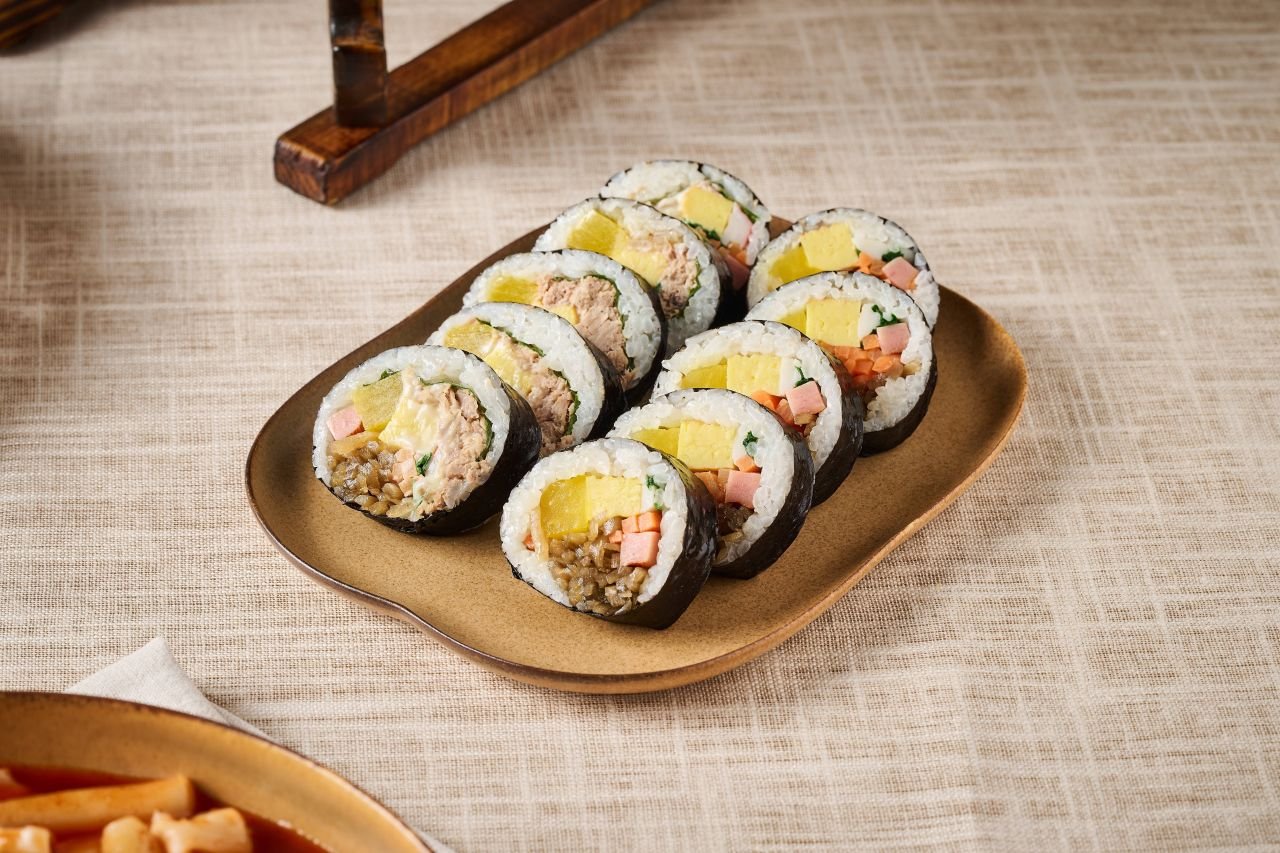
The case people cite
It's a real case, specific enough that vague isn't necessary. In late July and early August 2021, two branches of Maenyeo Kimbap (마녀김밥) in Seongnam's Bundang district made roughly 270 people sick, according to Money Today's 2023 report on the case.
A civil court ordered compensation in 2023, two years after the outbreak.
Investigators found salmonella in the shops' cutting boards and ingredient-storage containers. The reporting doesn't say which surface picked it up first, only that both tested positive.
A cutting board is a surface, and food touches it after whoever handled it last. That kind of hygiene gap could happen behind any counter serving cold, ready-to-eat food. It happened at a kimbap counter in Bundang, and it can happen at a sandwich counter or a sushi counter with the same setup.
What the national numbers blame
The Korean-language sources here are narrower than "kimbap" as a category. What do two separate five-year windows, both drawn from the Ministry's own figures, actually say about where those patients got sick?
| Period | Total salmonella patients | Share tied to egg dishes |
|---|---|---|
| 2016–2020 | 5,596 | 3,506 patients (63%), with 67% of all salmonella patients falling in August–September |
| 2017–2021 (provisional) | 6,838 patients, 110 outbreaks | 5,257 patients, 41 outbreaks (77%) |
Neither row is a "kimbap outbreaks" count on its own. In these two windows, the Ministry's public reporting groups kimbap together with dosirak (packed lunches) and other egg-cooked foods rather than breaking kimbap out on its own line.
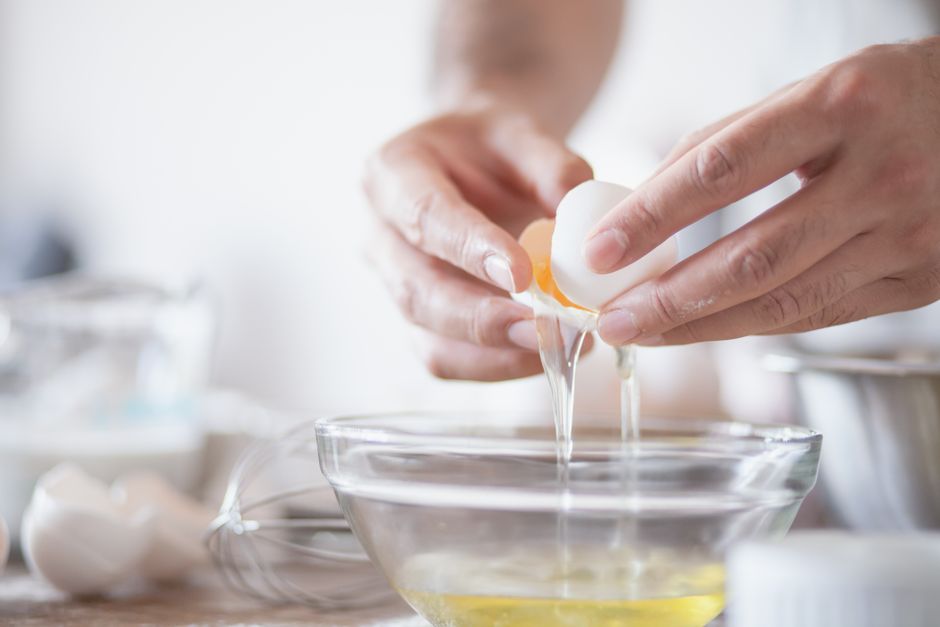
Egg is the ingredient named in both windows. Specifically the thin fried egg strip, 달걀지단, that goes into nearly every kimbap roll sold in Korea.
A more recent count does break kimbap out on its own line. The Ministry's 2025 tally, released this past August, sorted the year's 319 outbreaks by cause food and named kimbap specifically: 23 outbreaks, just behind institutional set meals (백반) at 26, both filed inside a "composite cooked food" bucket that totaled 62 outbreaks and 3,260 patients — the single largest cause category that year. Twenty-three out of 319 works out to a little under one outbreak in fourteen nationally. Salmonella itself grew from 58 outbreaks (32% of the 2024 total) to 79 outbreaks (25% of a bigger 2025 total, but 43% of that year's patients), and the Ministry's own release still points at egg and cross-contamination in egg handling as the thing to watch, not kimbap as an ingredient.
Summer is exactly when home cooks and street stalls roll kimbap for outdoor eating. The seasonal pattern in the 2024 data matches those older salmonella figures closely: July through September accounted for 39% of that year's food-poisoning outbreaks and 50% of its patients, in three months out of twelve.
The instruction that addresses it
The Ministry's own kimbap-prep guidance, the kind restaurants and school cafeterias are told to follow, is narrower than "be careful with eggs."
- Change the gloves used for rolling kimbap at least every two hours
- Wash hands with soap right after cracking an egg, before touching anything that won't be cooked again
- Any staff member with diarrhea or stomach symptoms stays off food prep for two full days after the symptoms clear
None of those three rules mention rice, seaweed, or pickled radish. All three sit at one moment: a bare hand touches something raw, then something that's about to be eaten cold.
The Ministry writes that guidance for a commercial kitchen with rotating staff and a wall clock running the two-hour glove timer. A home cook rolling kimbap the night before a trip has neither. There's one pair of hands, touching the egg pan and then the rice a few minutes later, often without a second thought about what's still on the fingers in between.
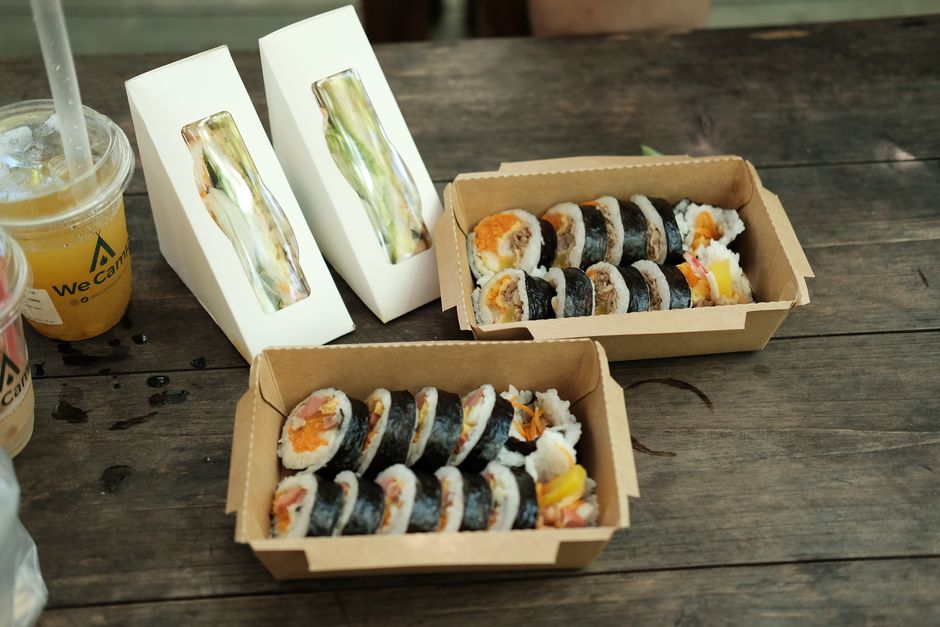
Once kimbap is rolled, it doesn't get treated as shelf-stable just because it's usually eaten cold or at room temperature. An icebox or a cold bag on a long outing keeps it below the range where salmonella multiplies fastest. That range sits closer to body temperature than to a shaded picnic blanket.
The same check applies to kimbap you didn't roll yourself. A convenience store or a street stall in July or August is a fair place to look at how it's stored before buying, not just what's in it: a refrigerated case beats an open counter tray sitting under a heat lamp, especially past midday.
So is kimbap the risky one?
Based on what's public: kimbap does now have its own line item, and it's not nothing. The Ministry's 2025 count put 23 outbreaks specifically under kimbap, out of 319 outbreaks nationally — a little under one in fourteen. That's a real number, and it's one that doesn't show up in the two older five-year salmonella windows or the 2024 annual report, all of which folded kimbap into a wider egg-dish or composite-food category instead.
What that number doesn't do is mark kimbap out as unusually dangerous next to other food. Twenty-three outbreaks is roughly on par with institutional set meals (26) and well behind restaurants as a category generally (192 outbreaks, about six in ten nationally). The ingredient the Ministry keeps naming, across the older windows and the newest release both, is still egg — not rice, seaweed, or any one part of the roll itself. Plus the one documented Bundang case, where the failure sat on a cutting board rather than in any single ingredient.
Wash your hands after the egg, and get the finished rolls into a cold bag before the afternoon heats up. That's the whole instruction, once you cut past the headline about a dish that "gives you food poisoning." What does your own kitchen do differently once summer starts: glove up, wash more, or just eat it faster?
This is a running series, not a one-off post — a new post goes up every day, at around 9am Korea time.
About · Contact · Privacy Policy
Read next: How to Read the Date on Korean Food Packages After the 2023 Law Change · Why a Seoul Michelin Restaurant Just Paid 25 Million Won in Fines · Are Korean Side Dishes Free? Banchan Refills and the Reuse Law


Comments
Post a Comment