Bulgogi Without Pear: What to Use Instead (and Why It's There)
Just One Cookbook's bulgogi recipe calls for half an Asian pear, grated, against a pound and a half of thin-sliced ribeye. That's about a tablespoon of pulp for every six ounces of beef. Skip the pear because the fruit bowl's empty, and the marinade still comes together. Soy sauce, garlic, and sesame oil carry the flavor either way. What actually changes is texture, and that's worth sorting out before the beef is already sitting in a bowl.
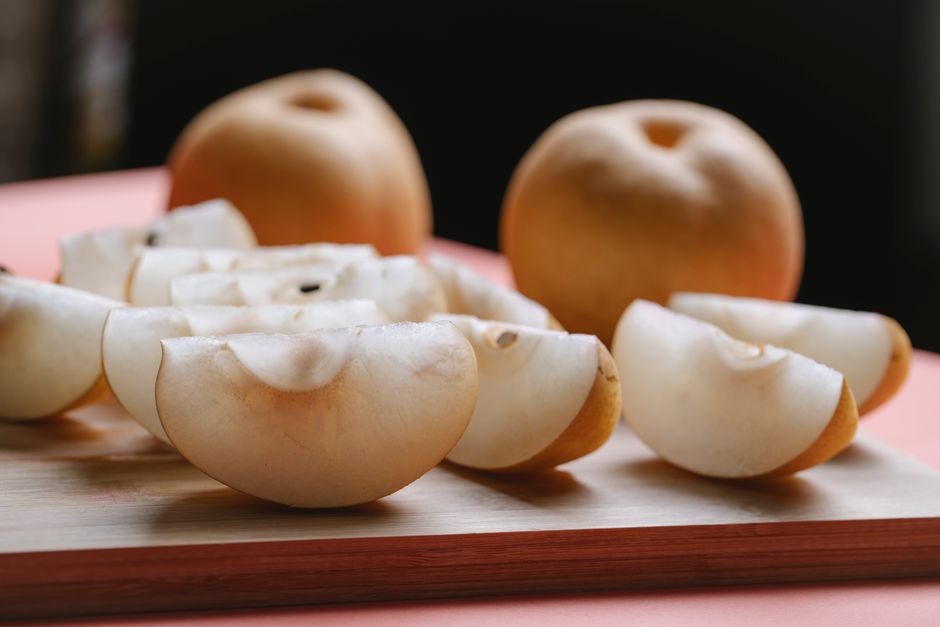
What the Pear Is Actually Doing
Grated Asian pear (배, bae) does two jobs. Its juice keeps thin-sliced beef from drying out over high heat, and an enzyme in the flesh breaks down some of the muscle fiber before the beef ever hits the pan.
A lot of recipe sites, including Tasting Table, name that enzyme calpain. That's wrong. Calpain is produced inside muscle cells after an animal is slaughtered. It's not something a piece of fruit contributes. A peer-reviewed study of Korean pear flesh identified the actual compound as a cysteine protease, the same broad enzyme family as papain in papaya and actinidin in kiwi, just gentler in how it works on meat.
That distinction matters for the next question. If you're reaching for a different fruit, you want one that carries a similar enzyme, not just similar sweetness.
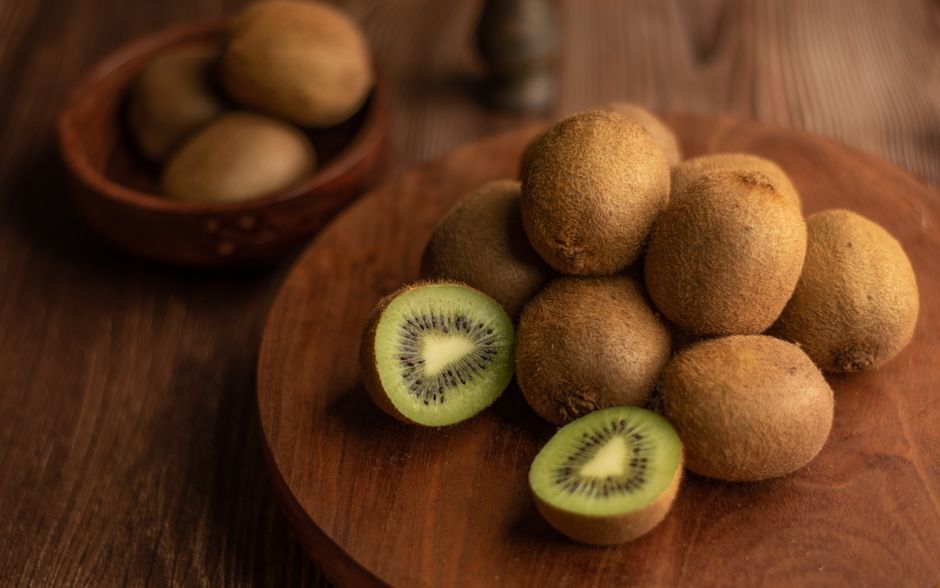
The Fast Substitute: Kiwi
Kiwi carries actinidin, an enzyme strong enough that Just One Cookbook lists it right alongside Asian pear as a substitute in that same recipe. Grate or blend roughly one kiwi per pound of beef.
Where kiwi differs is speed. Actinidin — the same family of plant enzyme as papain in papaya and bromelain in pineapple — works fast and doesn't stop once the meat is tender. It keeps breaking down protein at the surface until the texture goes soft and grainy instead of just tender. Keep a kiwi-based marinade under an hour, closer to 30 minutes for bulgogi's thin cut, rather than the overnight sit a pear-based marinade can handle.

The Easy 1:1 Swap: Apple
Fuji or Honeycrisp apple, grated, replaces Asian pear at the same ratio. Apple's enzyme activity is milder than pear's or kiwi's, so it holds up fine through the 2-to-4-hour or overnight marinade most home bulgogi recipes call for, without the mealy-texture risk kiwi carries. It's also the closest flavor match of anything here — sweet, a touch tart, plenty of juice. Plain, unsweetened applesauce works too, same volume, if grating one more thing on a weeknight sounds like too much.
Regular Pear? Check What Was Actually Tested
Bosc, Anjou, or Bartlett pear looks like the obvious swap, and it'll add the same sweetness and moisture Asian pear does. What it hasn't been shown to match is the enzyme.
The protease research above was run specifically on Pyrus pyrifolia, the Korean pear species, not on Pyrus communis, the European pear most Western grocery stores stock. Nobody's published a side-by-side test of the two. Treat a Western pear as a flavor-and-moisture swap, not a tenderizing one: grate it in for the taste, but don't count on it doing what the real thing does to the meat.
Skipping Fruit Entirely
Bulgogi's usual cut, thin-sliced ribeye or sirloin often frozen briefly and shaved paper-thin against the grain, doesn't need much tenderizing to start with. A butcher's already done most of that work.
If you don't want to run out for fruit, a teaspoon of sugar and a splash of lemon-lime soda gets you sweetness and a little moisture, no enzyme involved. It's a real shortcut, not an equivalent. The beef tastes fine and cooks up fine; it just won't have that just-shy-of-falling-apart bite an overnight pear marinade gives you.
| Substitute | Ratio (per lb beef) | Marinate time | What it actually does |
|---|---|---|---|
| Kiwi | 1 kiwi, grated | 15–30 min, max 1 hr | Strong enzyme — fastest, easiest to overdo |
| Apple (Fuji/Honeycrisp) | 1 apple, grated, or same volume applesauce | 2–4 hrs or overnight | Mild enzyme, closest flavor match |
| Western pear (Bosc, Anjou) | ½ pear, grated | 2–4 hrs | Sweetness and juice only — enzyme untested |
| No fruit | 1 tsp sugar + splash lemon-lime soda | Any | Sweetness only, zero tenderizing |
Next time you're at H Mart or a Korean grocery, the Asian pear is usually sitting in its own mesh netting in the produce section. It bruises easily, which is why it ships padded like that even at a premium price. Some Western supermarkets stock the same fruit labeled "apple pear," which is the same thing under a different name, not a different substitute.
Whichever one ends up in your bowl tonight, don't stack two of them thinking it'll tenderize faster. Kiwi and pear together just means an unpredictable window instead of a longer one. Pick one, note how long it sat, and adjust next time based on how the meat actually turned out. What's the substitute you've reached for that you'd use again?
This is a running news series, not a one-off post — new stories go up twice a day, roughly 7am and 7pm Korea time.
More Korea coverage from our network: Hallyu Now · Korea Travel Planner · K-Sports Global · Seoul Skin Notes


Comments
Post a Comment