Korean Rice vs Japanese vs Jasmine: Which Swap Ruins the Dish
A bag labeled "sushi rice" sits three feet from the jasmine on most supermarket shelves outside Korea, and neither one is what a Seoul kitchen would grab first.
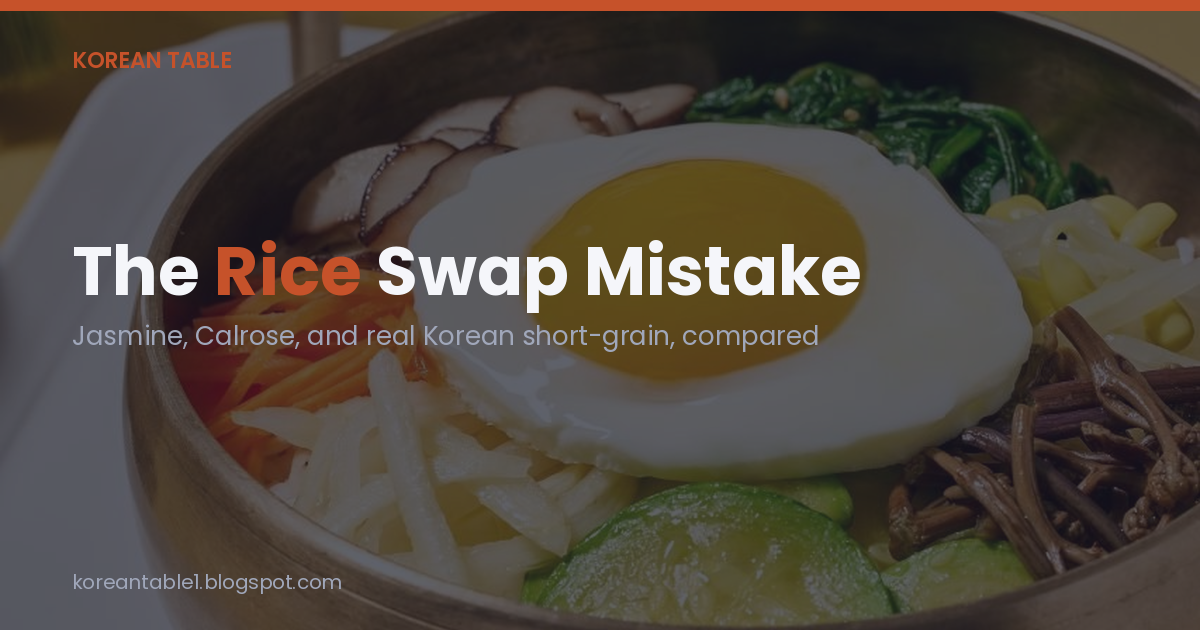
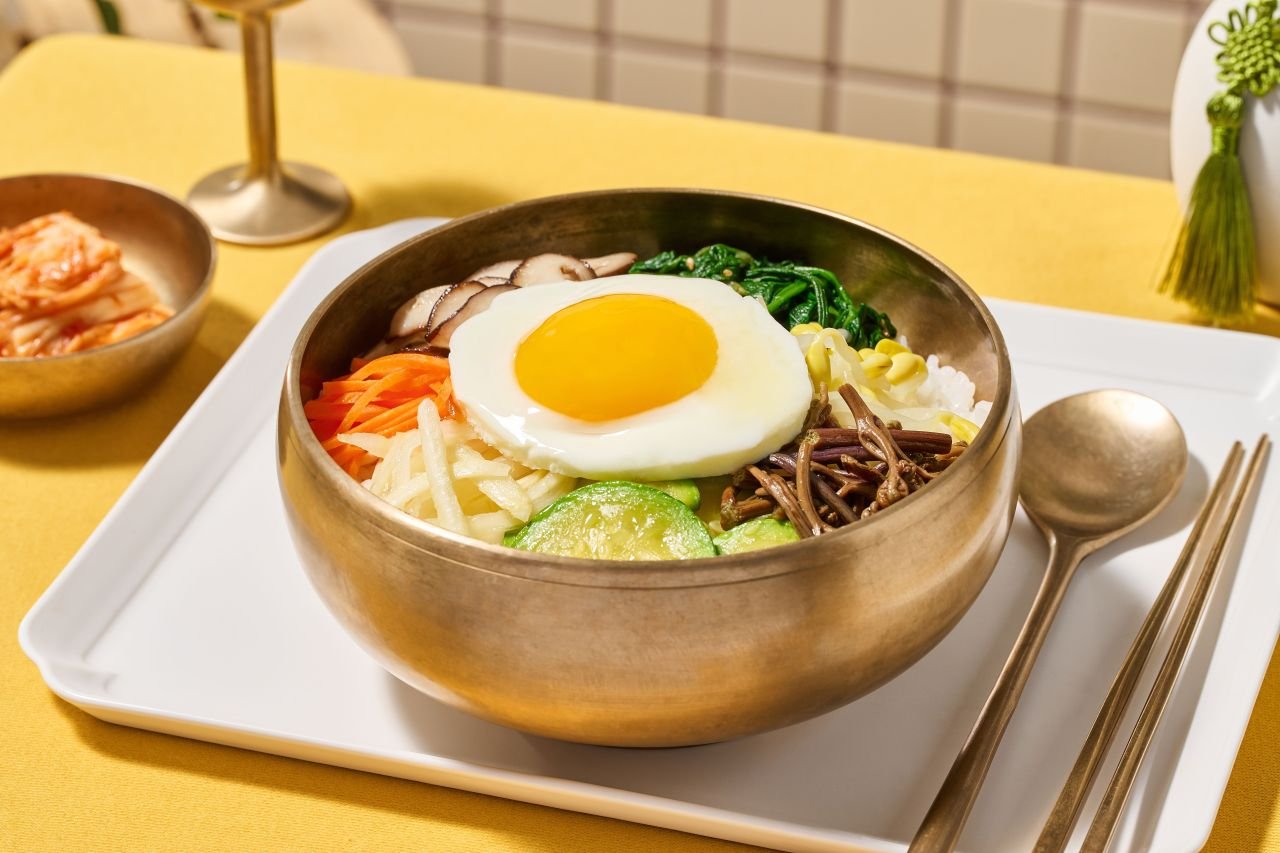
That gap is why a bibimbap can follow every other step of the recipe correctly and still come out wrong. The rice won't hold the gochujang and egg together, the bite falls apart in the bowl instead of coming up in one clean scoop, and the whole thing tastes thinner than the version from the restaurant. It's not a seasoning problem. It's a grain problem, and it's the one substitution mistake in Korean home cooking that nobody warns you about. The wrong rice still cooks into something that looks exactly like rice.
The Starch Gap Behind the Texture
Korean rice is short or medium-grain japonica, and japonica releases far more starch into the cooking water than a long-grain rice does. Hot Thai Kitchen's breakdown of rice families puts it plainly: jasmine holds together better than basmati once cooked, but nowhere near as much as a true short-grain rice does. That extra starch is doing real work at the table — it's what lets you pick up a bite with chopsticks instead of chasing loose grains around the bowl, what makes a ssam wrap stay closed, and what lets bibimbap rice grab the sauce and egg into something you can mix instead of stir.
Swap in jasmine or basmati and every one of those things gets a little worse at once. The rice cooks fine. It just isn't built to do the job Korean cooking asks of it.
The "Sushi Rice" Label Doesn't Mean What You Think
Here's where most people get tripped up, and it's not their fault. Breakthrough Sushi explains it directly: "sushi rice" isn't an official rice category at all — it's "merely a label commercial sellers put on Japanese short-grain rice for consumers." So a bag sold as sushi rice at a regular grocery store is raw, unseasoned short or medium-grain rice, not the vinegar-and-sugar-seasoned rice you'd use for sushi. Cook it plain and it works fine as everyday Korean rice.
Most of what's sold this way, along with the plain "medium grain" bags, is Calrose — a Californian japonica cultivar. Mai Rice's guide names the brands directly: Nishiki, Kokuho Rose, and Botan are all Calrose rice under different labels, "widely available" in ordinary US supermarkets. The same guide is honest about the ceiling on that substitute, too — true short-grain rice like Japanese koshihikari runs "noticeably rounder" and stickier, and "Calrose will work but with slightly different results."
My take: Calrose gets you most of the way there for a weeknight rice bowl with banchan. For bibimbap or japchae, where the rice itself is half the texture of the dish, the stickier true short-grain is worth the extra ten minutes it takes to find it.

Where to Find Each One Outside Korea
You don't need an Asian grocery store for the Calrose-type bags. Nishiki, Kokuho Rose, and Botan sit in the regular rice aisle at most mainstream US supermarkets right next to the jasmine and basmati. That's the whole reason people grab the wrong one: they're stocked as interchangeable.
True short-grain is a different aisle. H Mart, the Korean grocery chain with locations across the US, carries Shirakiku's Koshihikari premium short-grain rice alongside CJ-brand rice products. Worth knowing before you buy: a bag marketed as "Korean rice" outside Korea usually isn't grown in Korea at all — Shirakiku's short-grain line is the Japanese koshihikari cultivar, packaged and sold under a Japanese-American brand name. That's not a downside, just a fact worth having before you go looking for something more specifically "Korean" than what's on the shelf. If there's no H Mart or Korean market near you, both Shirakiku and CJ rice ship through H Mart's own online store and through Amazon.
Getting the Ratio Right Once You've Bought It
The rice itself only gets you halfway — the water ratio matters more than most recipes admit. Kimchimari's stovetop method is specific about it: rinse the rice at least three times until the water runs clearer each time, then let it soak 30 minutes before cooking. For the water itself, use one cup plus one to two tablespoons for every cup of dry rice on the stovetop — not the heavier flood of water you'd use for pasta. Skip the soak if you're using a pressure cooker; it turns the rice mushy there.
If you've been eyeballing the water level the way you'd judge a pot of pasta, that's probably where the texture's been going wrong, rice type aside.

Buy whichever bag is in front of you this week. Calrose will cook into rice, and the meal will still taste like home cooking. But next time you're near an H Mart, pick up the Koshihikari too and run the same bibimbap with both, side by side. The gap is small enough to shrug off and big enough to notice, and you'll know exactly which fraction of the dish you're paying extra for.
This is a running news series, not a one-off post — new stories go up twice a day, roughly 7am and 7pm Korea time.
More Korea coverage from our network: Hallyu Now · Korea Travel Planner · K-Sports Global · Seoul Skin Notes


Comments
Post a Comment